The Psychology of Spending: Why We Buy What We Don’t Need (And How to Stop in 2026) 💸🧠
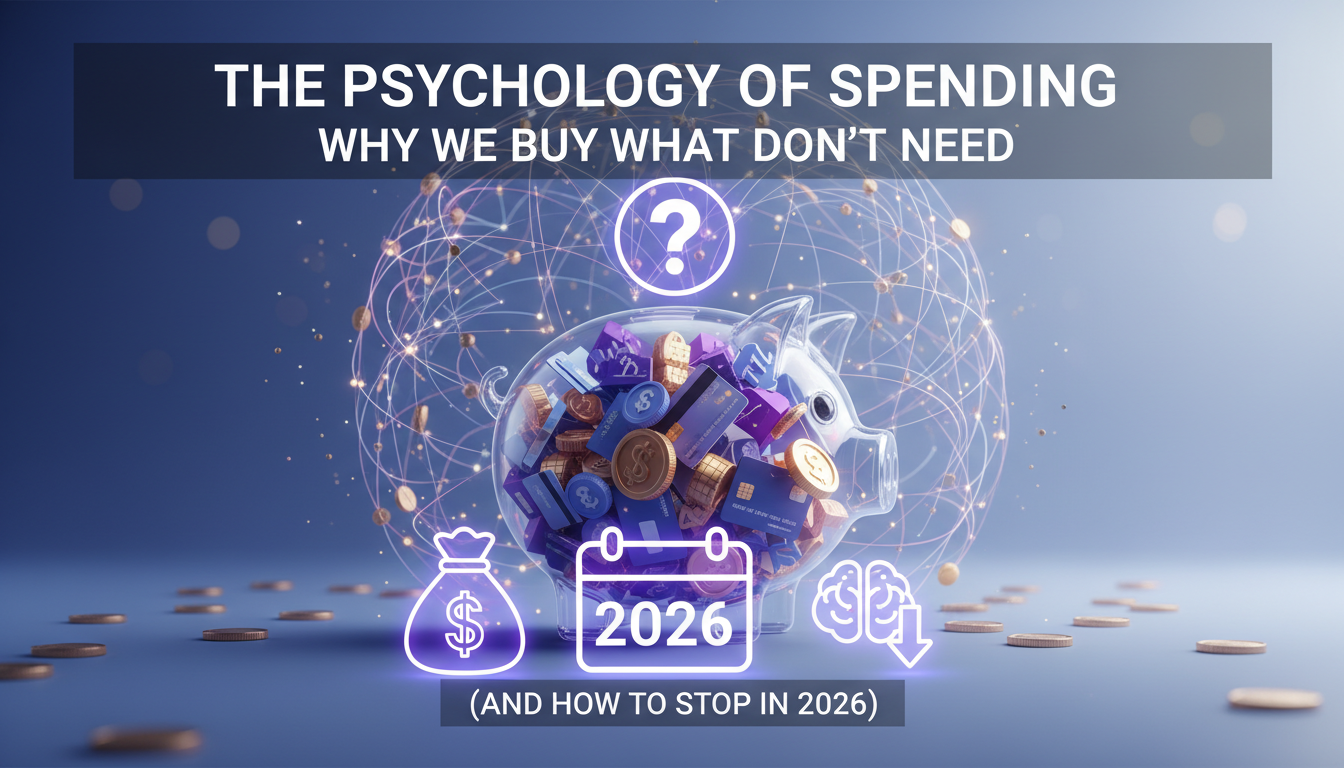
Discover the hidden psychology of spending and why you buy things you don’t need. Learn how to control impulse buying, stop emotional spending, and secure the bag in 2026.
Picture this: It’s 11:30 PM on a random Tuesday. You’re exhausted from a long day at work, lying in bed, and mindlessly scrolling through TikTok or Instagram. Suddenly, an influencer pops up raving about a “life-changing” gadget or a must-have pair of sneakers. Two clicks, a quick FaceID scan, and boom—Apple Pay just drained $85 from your checking account.
You didn’t need it. You weren’t even looking for it. But somehow, you bought it anyway.
If this sounds familiar, don’t beat yourself up. You aren’t lacking willpower, and you aren’t fundamentally bad with money. What you just experienced is the sheer power of the psychology of spending.

Brands spend billions of dollars every single year studying human behavior. They know exactly which buttons to push to bypass your rational brain and tap directly into your emotions. Whether it’s the thrill of a flash sale, the comfort of “retail therapy” after a bad day, or the subtle pressure to keep up with your friends online, your spending habits are rarely just about math. They’re about psychology.
In this guide, we’re going to keep it a buck. We’ll break down exactly why we spend money we don’t have, unpack the sneaky mental traps retailers set for us, and—most importantly—give you the absolute best strategies to rewire your brain, stop impulse buying, and secure the bag in 2026.
Let’s get into it.
Why Do We Spend Money We Don’t Have? (The Brain Chemistry) 🧪
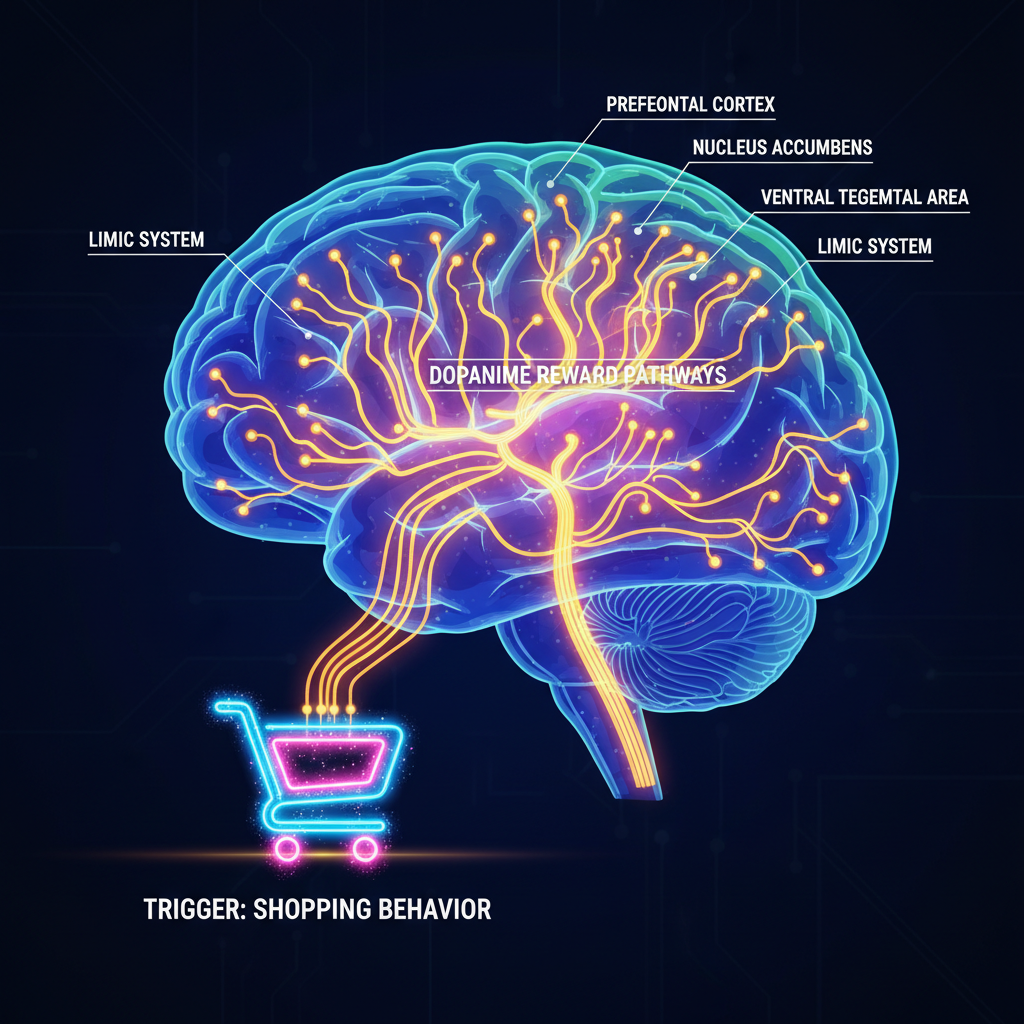
To understand why you overspend, you have to look under the hood at your brain chemistry. Every financial decision you make is a tug-of-war between your logical prefrontal cortex (the part of your brain that wants to save for a house) and your emotional limbic system (the part that wants those limited-edition shoes right now).
Dopamine and the “Add to Cart” Thrill
Here is a wild fact: The joy of shopping doesn’t actually come from owning the item. It comes from the anticipation of buying it.
When you browse online stores or walk through a mall, your brain starts pumping out dopamine—the exact same “feel-good” neurotransmitter associated with eating chocolate, gambling, or falling in love. The act of clicking “Add to Cart” gives you a massive neurological high. But the second the package actually arrives on your doorstep? The dopamine crashes. The thrill is gone. And you’re left looking at a cardboard box, wondering why your bank account is negative.
The Social Media FOMO Epidemic
Humans are biologically wired to be social creatures. Thousands of years ago, if you didn’t fit in with your tribe, you wouldn’t survive. Today, that survival instinct has morphed into FOMO (Fear Of Missing Out).
Social media has completely warped our perception of “normal.” Back in the day, you only compared yourself to your actual neighbors—the classic “keeping up with the Joneses.” Now? You’re comparing your behind-the-scenes life to the highly curated, heavily filtered highlight reels of influencers, celebrities, and old high school classmates living it up in Dubai. This creates a massive psychological pressure to spend money on trendy clothes, aesthetic vacations, and luxury cars just to feel valid. You aren’t just buying a product; you’re buying social acceptance.
Retail Therapy and Emotional Spending
Have you ever had a terrible day at work and decided to treat yourself to a massive takeout order or a new outfit because “you deserve it”? That’s emotional spending.
When we feel stressed, anxious, sad, or even extremely happy, our cognitive defenses drop. We use spending as a coping mechanism to self-soothe. It’s a quick fix that temporarily masks negative emotions but ultimately leads to a cycle of guilt and financial anxiety.
Unpacking Your Money Mindset: Where Does It Come From? 🧬
Your relationship with money wasn’t formed yesterday. According to research from financial psychologists, our core beliefs about money are largely baked into our brains by the time we are seven years old.
Think back to your childhood. How did your parents handle cash? Did they fight about bills at the dinner table? Was money treated as a taboo subject, or was it something to be celebrated?
Scarcity vs. Abundance Mindset
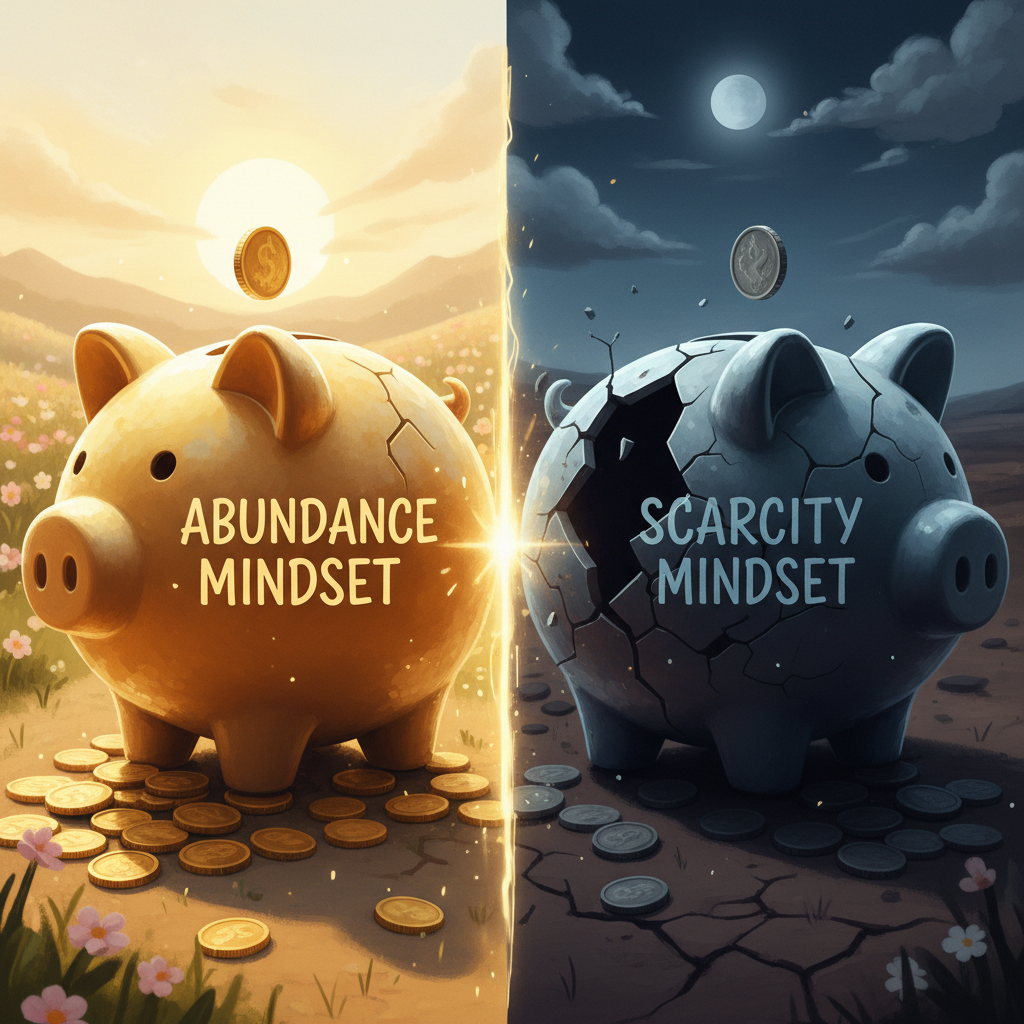
If you grew up in a household where money was tight, you might have developed a scarcity mindset. This can manifest in two very different ways in adulthood:
- The Hoarder: You are absolutely terrified of going broke again, so you refuse to spend money on anything, even basic necessities. You live in a constant state of financial anxiety.
- The Payday Splurger: Because you never had nice things growing up, the second you get paid, you blow it all. Your brain secretly believes the money is going to disappear anyway, so you might as well enjoy it while it’s in your hands.
On the flip side, an abundance mindset means you view money as a tool—a renewable resource that flows in and out. You aren’t afraid to invest in yourself, but you also don’t feel the need to spend recklessly just to prove you have cash.
If you want to permanently change your financial trajectory, you have to do the deep inner work of identifying your money trauma. Once you realize why you act a certain way, you can start building better systems. A great place to start is by adopting the 10 Money Habits to Build Wealth in 2026.
The Sneaky Marketing Traps Designed to Take Your Cash 🪤
Let’s get one thing straight: the game is rigged. Retailers use advanced behavioral economics to separate you from your money. If you don’t know the playbook, you’re going to get played. Here are the most common psychological traps:
1. The Frictionless Spending Illusion (BNPL & Apple Pay)
Remember when people actually used physical cash? Handing over a crisp $100 bill literally hurt. Psychologists call this the “pain of paying.” Your brain registers the physical loss of resources.
Today, tech companies have completely removed the friction from spending. With Apple Pay, one-click checkouts, and Buy Now, Pay Later (BNPL) services like Klarna or Afterpay, it doesn’t even feel like you’re spending real money. You’re just pressing a shiny button on a glass screen. By delaying the financial pain, these companies trick your brain into thinking the purchase is basically free.
2. Scarcity and Urgency Tactics
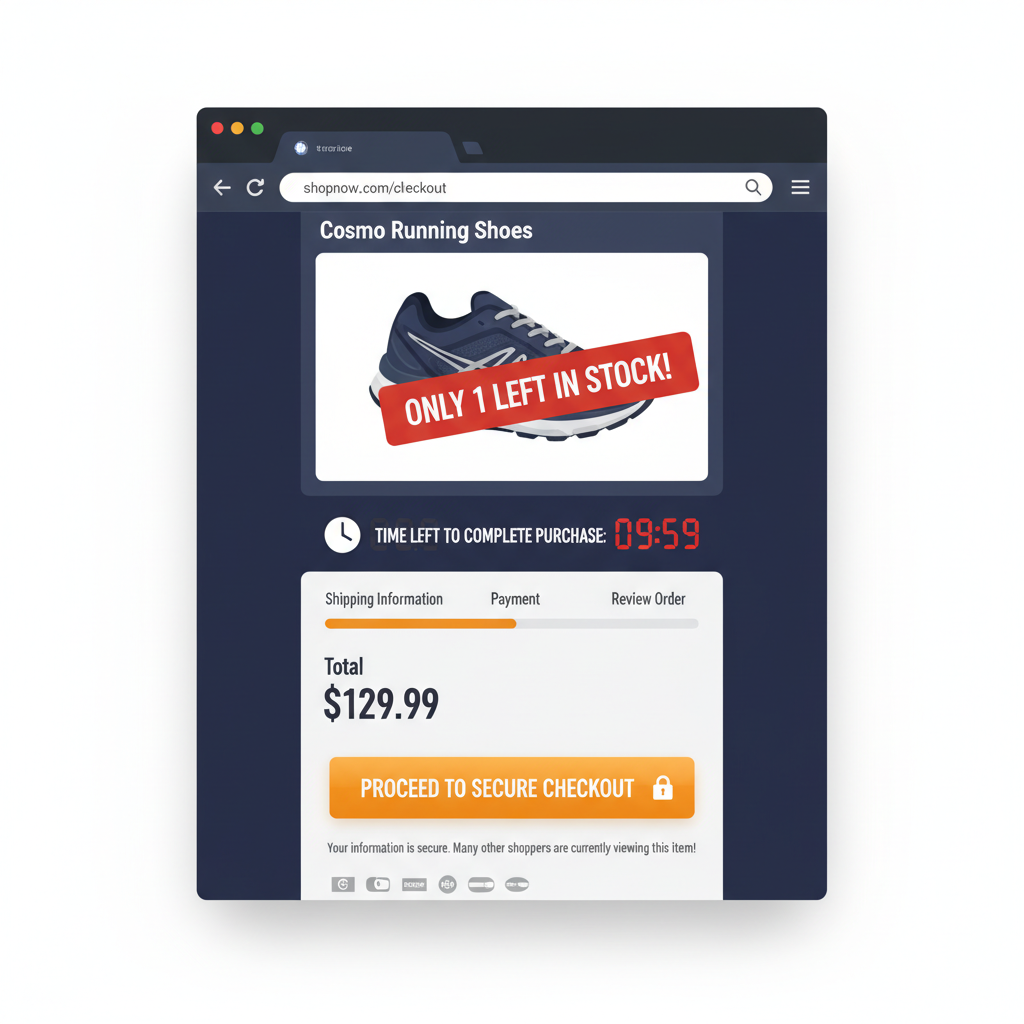
“Only 2 items left in stock!”
“Sale ends in 14 minutes!”
Have you ever noticed those little red countdown timers on e-commerce sites? That is textbook scarcity bias. When we believe a resource is limited, our brain perceives it as more valuable. The fear of missing out overrides our logical brain, forcing us into a rushed, impulsive decision. Newsflash: That sale is probably coming back next week. Don’t fall for the artificial urgency.
3. Price Anchoring and the “Decoy Effect”
Imagine you walk into a store and see a designer jacket for $1,000. You think, “That’s insane!” But right next to it is a very similar jacket on sale for $300. Suddenly, $300 feels like an absolute steal.
This is called price anchoring. The retailer never actually expected to sell the $1,000 jacket; they just put it there to anchor your expectations so the $300 one looks like a bargain. You didn’t save $700. You spent $300.
The 2026 Paradigm: Why Feeling “Broke” Makes Us Spend More 📉
Here is where the psychology of spending gets really wild. Conventional wisdom says that when people feel financially tight, they cut back on spending. But recent research from Columbia Business School proves the exact opposite is happening in modern society.
According to the study, when higher-income or middle-class individuals feel financially constrained (due to inflation, high rent, or economic uncertainty), they actually increase their spending on status-oriented retail goods.
Why?
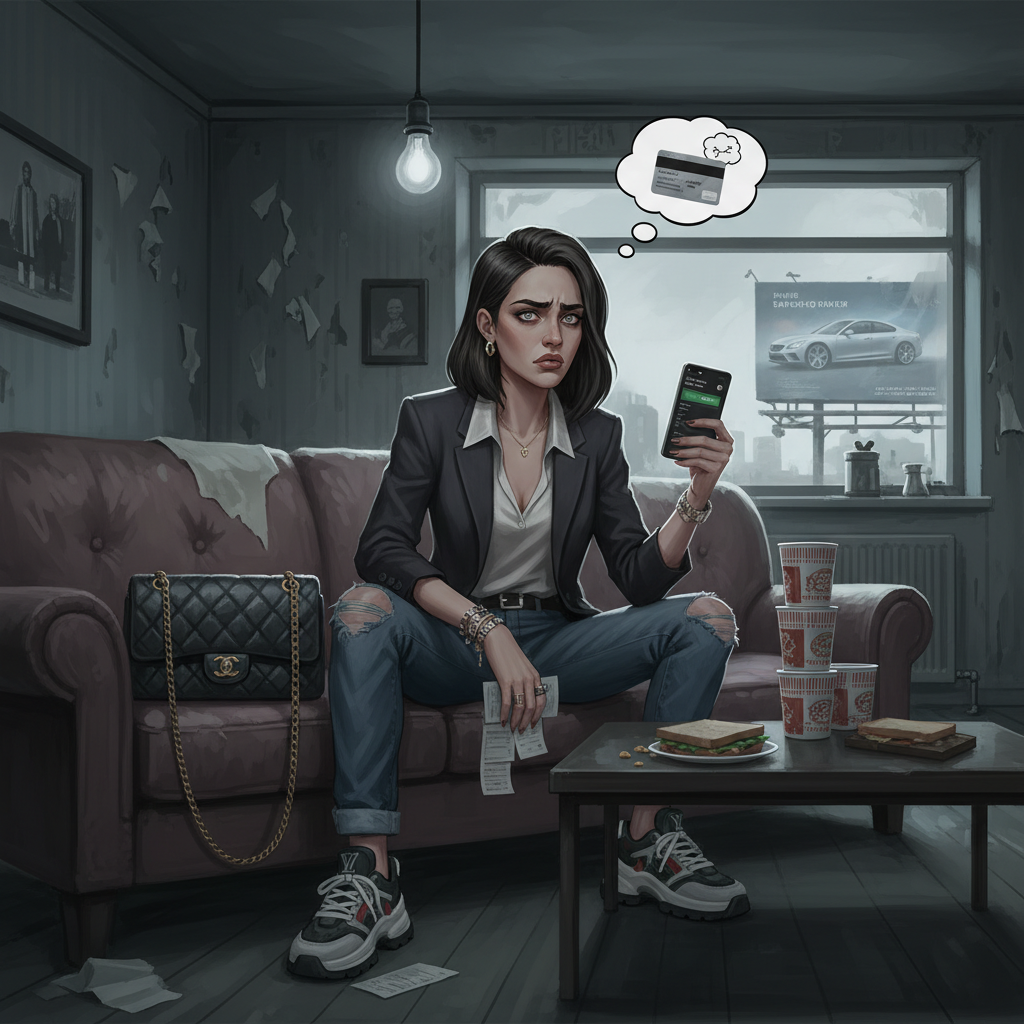
Because of a threatened sense of control. When you feel like you’ll never be able to afford a house or retire comfortably because the economy is cooked, you experience a deep psychological deficit. To compensate for this feeling of powerlessness, you buy a Gucci belt, an overpriced matcha latte, or a luxury car lease.
As the researchers noted, “If you’re rich, but you don’t feel that you’re as wealthy, you compensate for this deficiency through consumption”. People are literally buying status symbols to trick themselves into feeling financially secure, which ironically pushes them further into debt. Recognizing this trap is the first major step to breaking free from it.
How to Hack Your Brain and Stop Impulse Buying 🧠💡
Alright, enough theory. How do we actually stop the bleeding and take control of our wallets? You can’t just rely on raw willpower; willpower depletes by the end of the day. You need hard rules and systems.
Implement the 24-Hour Rule
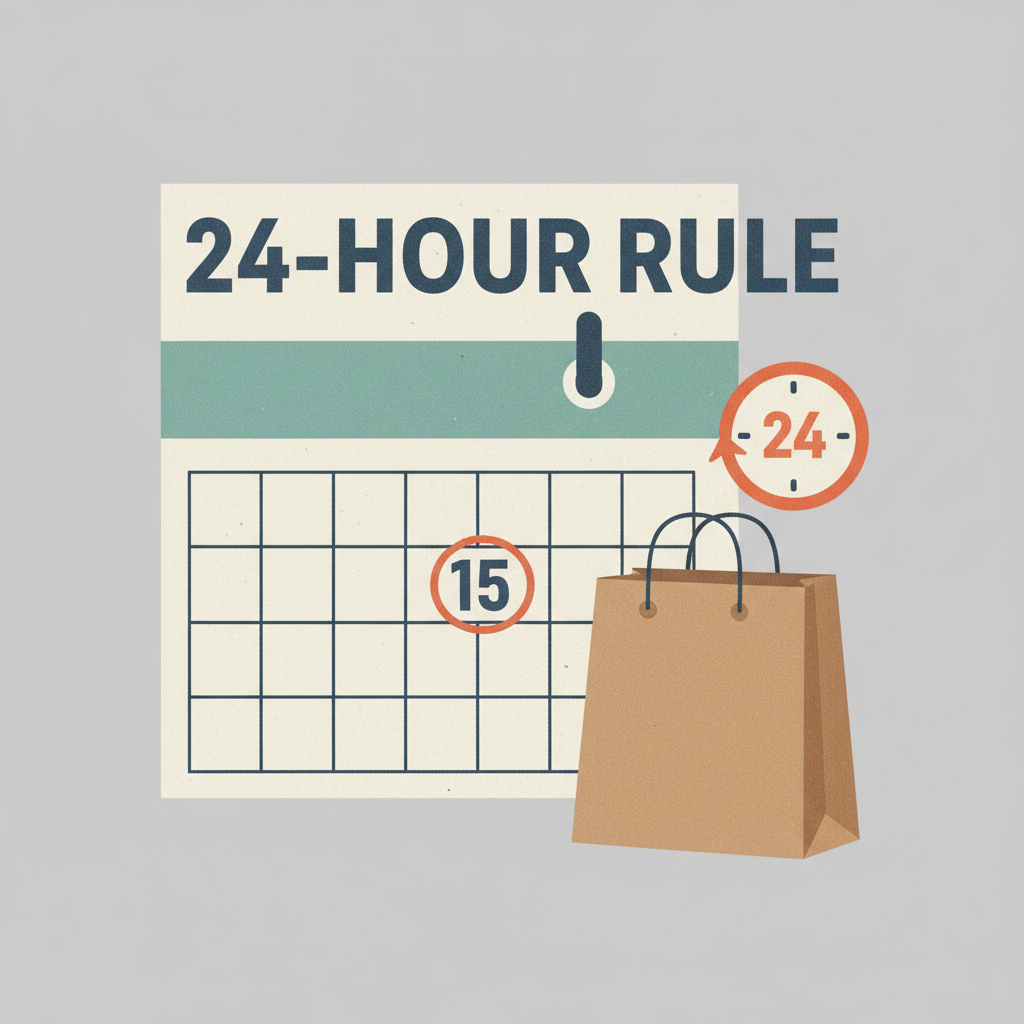
This is the undisputed heavyweight champion of spending hacks. Whenever you want to buy something that isn’t a basic necessity (like groceries or gas), you force yourself to wait a full 24 hours.
Close the tab. Walk out of the store. Put the phone down.
This mandatory cooling-off period allows your dopamine spike to crash and brings your logical prefrontal cortex back online. 90% of the time, when you check back the next day, the urge to buy the item will have completely vanished. For bigger purchases (over $100), extend it to a 7-day rule.
Unsubscribe, Unfollow, and De-Influence
You cannot heal in the same environment that made you sick. If your email inbox is flooded with promotional codes and your Instagram feed is packed with influencers pushing the latest fast-fashion haul, you are going to cave eventually.
Take 15 minutes today to ruthlessly unsubscribe from brand emails. Unfollow influencers who make you feel like your current life isn’t good enough. Curate a feed that promotes financial literacy and mental peace, not endless consumerism.
Calculate Cost in “Hours Worked”
Want to instantly kill the desire to buy a $200 pair of sneakers? Calculate how many hours of your life you have to trade for them.
If you make $20 an hour after taxes, those shoes don’t cost $200—they cost 10 hours of your actual life. Is that pair of shoes worth giving up a full day and a half of your precious time on earth? Usually, the answer is a hard no.
For more aggressive tactics on keeping your cash in your pocket, check out these 10 Easy Ways to Reduce Monthly Expenses and Save Big in 2026.
Practical Tools to Secure the Bag in 2026 💰
Understanding the psychology of spending is step one. Step two is building a bulletproof financial system that does the heavy lifting for you.
Track Every Single Penny
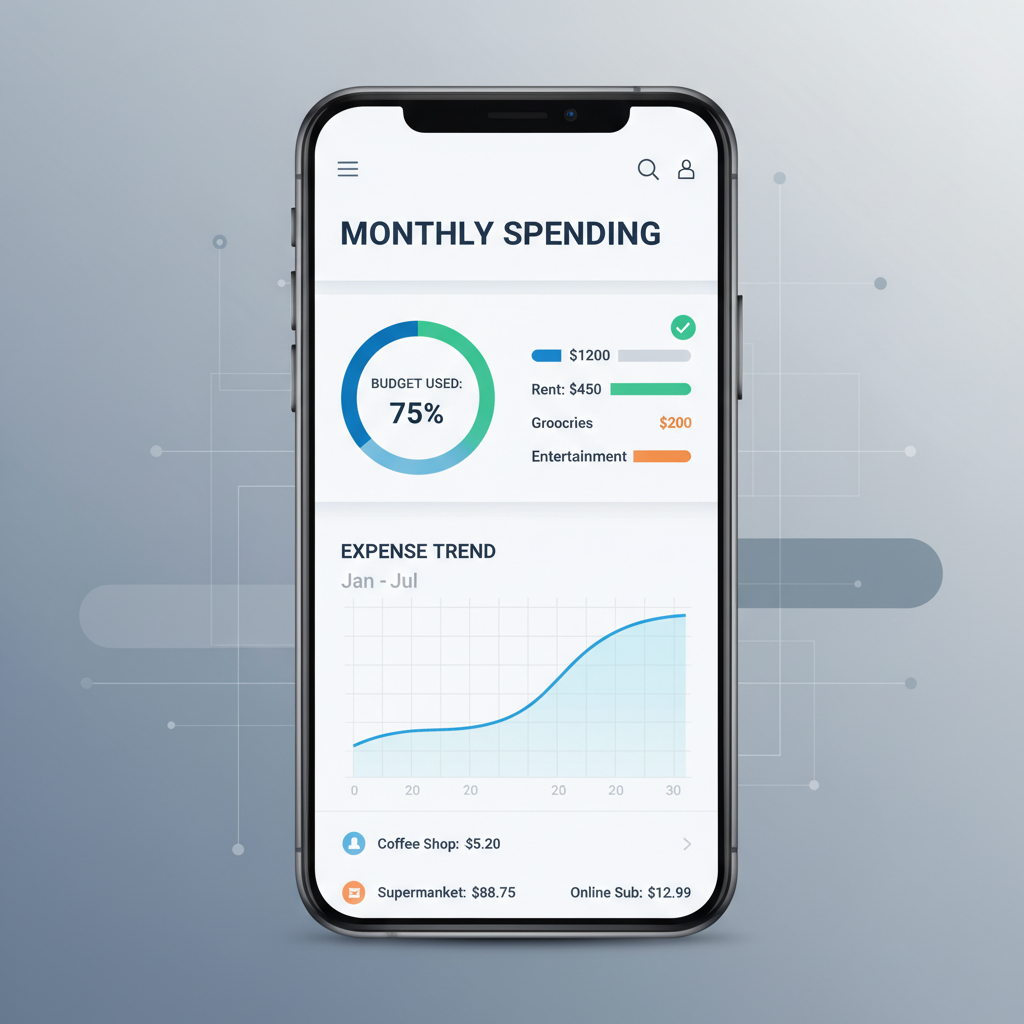
You can’t manage what you don’t measure. When you actively track your spending, you force yourself to confront your financial reality. It completely removes the “out of sight, out of mind” comfort zone that emotional spenders love to hide in.
You don’t have to do this with a boring Excel spreadsheet anymore. There are incredible AI-driven tools available today. Take a look at The Best Apps for Tracking Expenses in 2026 to find a dashboard that works for your vibe.
Build a Budget You Won’t Hate
The word “budget” sounds restrictive, like a financial diet. But a budget isn’t about restricting your fun; it’s about giving yourself permission to spend without guilt.
If you allocate $200 a month specifically for “Guilt-Free Fun,” you can spend that money on drinks, video games, or clothes without the usual post-purchase anxiety. If you’ve never set one up before, don’t sweat it. You can learn How to Create a Monthly Budget for Beginners (That You’ll Actually Stick To in 2026).
Additionally, leverage technology to keep your categories in check. Find the right software by browsing the Best Budgeting Apps in 2026: The Ultimate Guide for Beginners.
The Cash Stuffing / Envelope System
If digital money feels too fake to you, revert to the classics. The “Cash Stuffing” trend has blown up on TikTok for a reason—it works. By withdrawing your discretionary spending money in physical cash and putting it into labeled envelopes (Groceries, Fun, Gas), you reintroduce the “pain of paying.” When the “Fun” envelope is empty, you’re done for the month. No swiping allowed.
Wrapping It All Up: Take Control of Your Financial Future 🚀
Look, spending money isn’t inherently bad. You work hard, and you deserve to enjoy the fruits of your labor. The goal of mastering the psychology of spending isn’t to become a miserable penny-pincher who never leaves the house.
The goal is mindful spending.
It’s about ruthless prioritization. Spend extravagantly on the things that truly bring you deep, lasting joy—whether that’s travel, high-quality food, or your hobbies—and cut costs aggressively on the things that don’t matter to you.
Next time you feel that familiar itch to open a shopping app or tap your card for something you didn’t plan to buy, pause. Take a deep breath. Recognize the dopamine trap, acknowledge the marketing tricks, and ask yourself: “Is this bringing me closer to my financial freedom, or pushing me further away?”
You hold the power. Don’t let a brand’s marketing department dictate your future. Secure the bag, build your wealth, and keep your mind sharp.

FAQs About the Psychology of Spending 🤔
1. Why do I feel guilty after spending money?
Buyer’s remorse hits when the dopamine rush of the purchase wears off and your logical brain steps back in. You feel guilty because you realize the purchase didn’t align with your long-term financial goals, or because you used spending to temporarily mask an emotional problem.
2. Is retail therapy an actual psychological condition?
While “retail therapy” isn’t a clinical diagnosis, compulsive buying disorder (CBD) is a real behavioral issue. For most people, however, retail therapy is just a common coping mechanism where shopping is used to trigger dopamine releases to temporarily relieve stress, sadness, or boredom.
3. How does social media influence my spending habits?
Social media accelerates the Fear of Missing Out (FOMO). Algorithms are designed to show you targeted ads based on your deep psychological profile, while influencer content normalizes hyper-consumerism. It creates a false reality where “everyone else” seems to have infinite money, pressuring you to spend just to keep up.
4. What is the 50/30/20 budgeting rule?
It’s a simple psychological framework to organize your money without overthinking it. 50% of your income goes to Needs (rent, utilities, basic groceries), 30% goes to Wants (shopping, dining out, hobbies), and 20% goes to Savings and Investing. It gives you structure while still allowing room for fun.
5. How can I stop emotional spending right now?
The fastest way to stop emotional spending is to introduce friction. Delete your saved credit card numbers from your browser, remove Apple Pay from your phone, and delete shopping apps like Amazon or Temu. If you force yourself to physically get up, find your wallet, and type in a 16-digit card number every time you want to buy something, you will drastically cut down on impulse purchases.
Disclaimer: The information provided in this article is for educational purposes only and does not constitute professional financial advice. Always consult with a certified financial planner before making major money decisions.
We are so glad you decided to read this article — thank you for your wonderful support!