
How to Save Money Fast on a Low Income _ The Ultimate 2026 Grind Guide

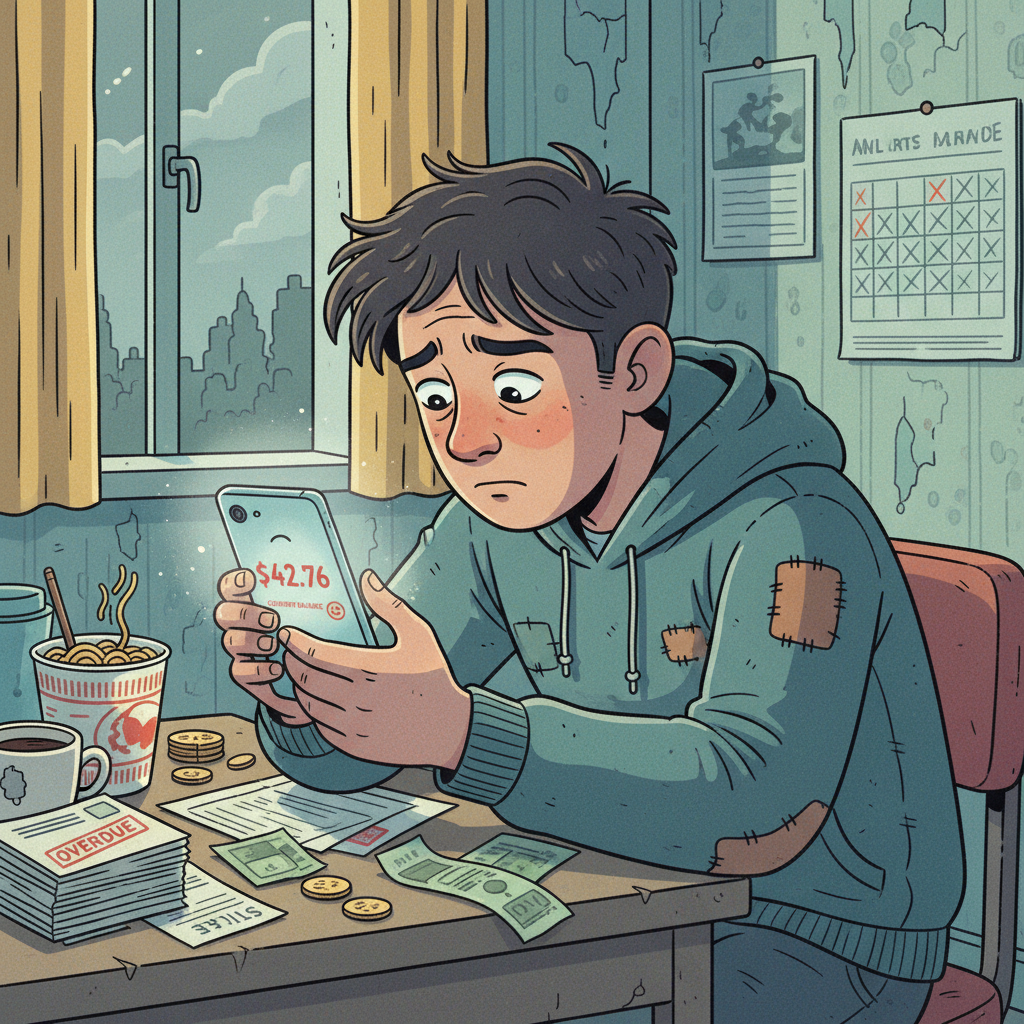
How to Save Money Fast on a Low Income, Let’s keep it 100 for a second. Checking your bank account balance a few days before payday can be a genuinely terrifying experience. You log into your banking app, hold your breath, and pray you have enough cash to cover a tank of gas and maybe some decent groceries. When you see a cool $47 sitting in your checking account, the classic advice of “just save more money” feels like a massive slap in the face.
How exactly are you supposed to save for a rainy day when you’re currently drowning in a thunderstorm of rent, utilities, and wildly expensive eggs? 🍳
If you’re living paycheck to paycheck, you already know the struggle is real. The anxiety of unexpected expenses can keep you up at night, wondering how you’d cover a blown tire or a surprise medical bill. But here is the good news: getting off the financial struggle bus is entirely possible. It’s going to take some real hustle, a serious mindset shift, and a few temporary sacrifices, but you can secure the bag.
In this massive, no-BS guide, we’re spilling all the tea on how to save money fast on a low income. We aren’t just talking about clipping coupons for 10 cents off. We are diving deep into aggressive budgeting, cutting the fat from your expenses, side hustles that actually pay, and totally revamping your relationship with money. Ready for your financial glow-up? Let’s get into it.
The Harsh Reality: Why Saving on a Low Income is a Hustle
Before we jump into the hacks, let’s validate what you’re feeling. If you think it’s harder to survive right now than it was five years ago, you aren’t crazy. It genuinely is.
Recent economic data shows that nearly 60% of Americans don’t even have enough savings to cover a $1,000 emergency. Meanwhile, the cost of literally everything—from housing to healthcare to hitting up the drive-thru—has skyrocketed. When a massive chunk of your monthly paycheck goes straight to basic survival, finding leftover dough for a savings account feels like trying to find water in a desert.
But here’s the thing: while the system might be flawed, you still have to play the game. You can’t wait for a magical promotion or a winning lottery ticket to fix your finances. Relying entirely on luck is a terrible financial plan.
According to top financial experts like the folks over at Experian, saving on a limited income starts with setting highly specific financial goals. You need a roadmap. You need to know exactly why you are grinding so hard. Are you saving a $1,000 emergency fund? Are you trying to pay off a high-interest credit card? Are you saving up to move out of a toxic living situation?


Define your “why.” When you have a crystal-clear reason to save, saying “no” to unnecessary purchases gets a whole lot easier.
Step 1: Boss Up Your Budget (Where is the Dough Going?)
You cannot manage what you do not measure. If you are constantly wondering where your money went at the end of the month, you desperately need a budget. And no, budgeting isn’t a punishment. It’s simply telling your money where to go instead of wondering where it went.
The 50/30/20 Framework 📊
If you’re totally new to tracking your cash, start with the 50/30/20 rule. It’s a classic for a reason. Here is how you slice up your after-tax income:
- 50% for Needs: Rent, groceries, utilities, basic transportation, minimum debt payments.
- 30% for Wants: Dining out, hobbies, streaming services, that cute jacket you saw on TikTok.
- 20% for Savings & Investing: Your emergency fund, retirement accounts, or aggressive debt payoff.
Now, if your income is super low, your “Needs” category might be eating up 70% or 80% of your paycheck. That is completely normal in the beginning! If that’s the case, your temporary breakdown might look more like 80/10/10. The percentages aren’t written in stone; the habit of allocating the money is what matters.
Zero-Based Budgeting
For those who need aggressive, fast results, zero-based budgeting is the holy grail. In a zero-based budget, your income minus your expenses equals zero. Every single dollar is given a job before the month begins.
If you bring home $2,500 a month, you plan out exactly how all $2,500 will be spent, saved, or invested. If you have $100 left over after paying all your bills and funding your groceries, you don’t just leave it in your checking account to be mindlessly swiped away at Starbucks. You assign it to your emergency fund or a debt payment.
If you want the absolute best blueprint on setting this up, check out our deep dive on How to Create a Monthly Budget for Beginners (That You’ll Actually Stick To in 2026). It is clutch for getting your systems in place.

Step 2: Slicing the Fat (Cutting Expenses Like a Pro) ✂️
Once you have a budget, you’ll probably have a mini panic attack when you realize how much you spend on random stuff. Don’t stress. This is where we trim the fat.
Housing Hacks: Splitting the Bill
Housing is usually your biggest expense. If your rent is eating up 50% of your income, you will constantly feel broke. Period.
To save money fast, you need to lower your housing costs. How?
- Get a roommate: Splitting rent and utilities in half is the fastest way to free up hundreds of dollars a month.
- House Hacking: If you have an extra room, rent it out. If you own a home, consider renting out the basement or garage.
- Move back home: There is absolutely zero shame in moving back in with your parents for 6 to 12 months to aggressively stack cash and pay off debt. Put your ego aside and secure the bag.
- Downsize: Do you really need that bougie downtown apartment with the rooftop pool you never use? Downgrading to a smaller, more affordable spot can save you thousands a year.
The Grocery Grind: Eating Good While Broke
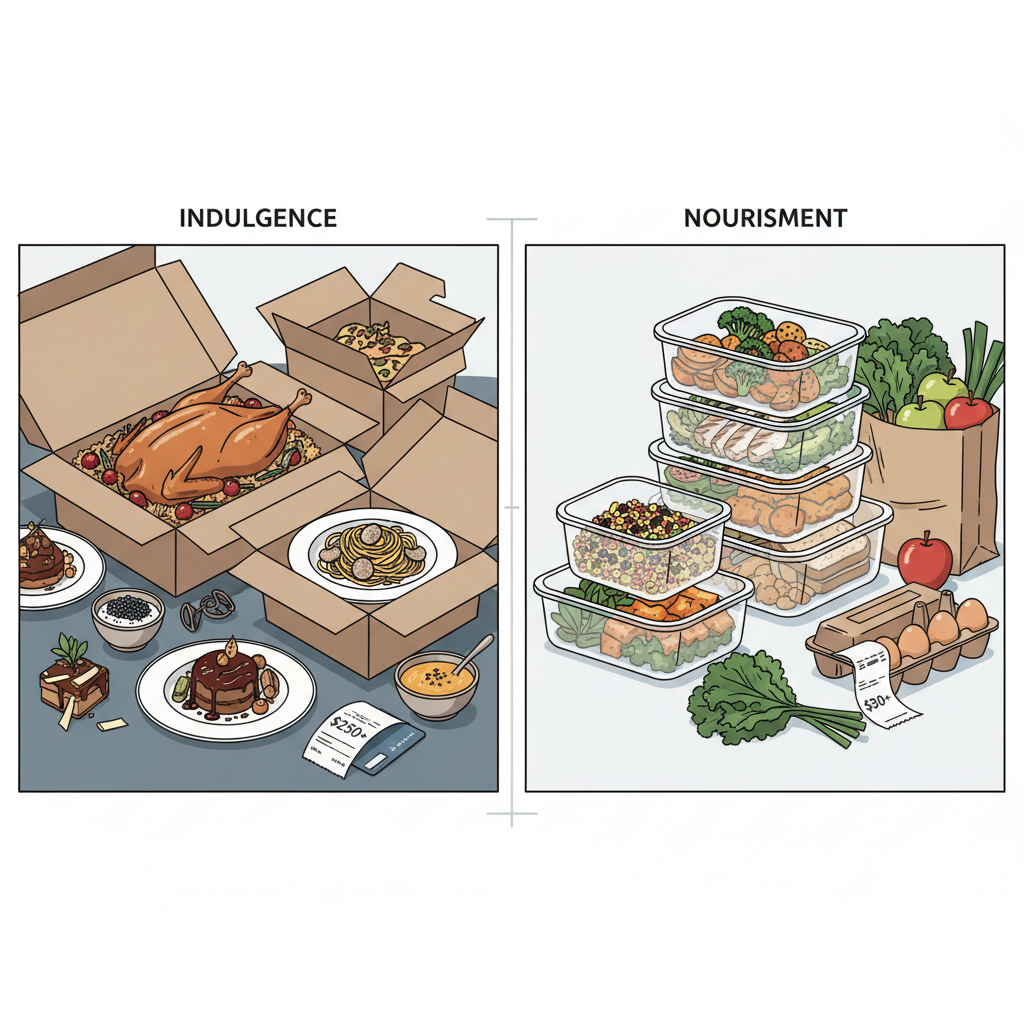
Food is the second biggest budget killer. Eating out is a luxury, not a necessity. If you want to save money fast, you need to become best friends with your kitchen.
Restaurant markups are insane. That $18 avocado toast and latte combo costs about $2.50 to make at home. Start meal planning around weekly grocery store sales and coupons. Spend 20 minutes every Sunday looking at store circulars and planning your meals based on what’s heavily discounted.
- Batch Cook: Make huge portions of rice, beans, chili, or pasta on Sundays. Box them up for lunch all week. You won’t be tempted by the office food truck if you already have a bomb meal waiting in the fridge.
- Embrace Generic Brands: The store-brand oats are literally the exact same oats as the fancy name-brand ones. Stop paying the “marketing tax.”
- Eat Less Meat: Meat is insanely expensive. Incorporating three vegetarian dinners a week (think black bean tacos, lentil soup, or chickpea curry) will stretch your grocery budget much further.
Subscription Purge: Stop Paying for Ghost Services
Log into your bank account right now and look at the last 30 days of transactions. How many random $5, $10, and $15 charges are hitting your account?
Netflix, Spotify, Hulu, gym memberships you never use, random app subscriptions—it all adds up. The “subscription creep” is a real phenomenon. Cancel everything you haven’t used in the last two weeks. If you suffer from FOMO (Fear Of Missing Out) and suddenly want to watch a specific show, you can always resubscribe later. But right now? Cut it.
Step 3: Shift Your Mindset to the “College Hustle”
Remember when you were in college (or think about how typical broke college students live)? You probably survived on ramen, walked everywhere, shared a tiny space with three other people, and found free entertainment on campus. You didn’t care about flexing on Instagram because everyone else was broke too.
Somewhere along the line, we get older, our income goes up slightly, and lifestyle creep takes over. Suddenly, we feel like we “deserve” a brand new car, designer clothes, and expensive dinners.
If you are on a low income, you need to revert to that scrappy college mindset.
- Shop Secondhand: Hit up thrift stores, Facebook Marketplace, and Poshmark. Buying brand new clothes or furniture when you are broke is a massive financial mistake.
- Find Free Fun: Cancel the $100 bar tabs and start hiking, visiting free museums, hosting game nights at home, and exploring local parks.
- Use the Library: Your local library isn’t just for books anymore. You can rent movies, video games, use free Wi-Fi, and even check out tools or baking equipment. It’s the ultimate frugal living hack.
For more hardcore student-style frugal tips that anyone can apply, read The Ultimate Guide to Budgeting Tips for College Students (2026). Trust me, adapting this mindset is a game-changer.
Step 4: Automate Your Savings (Pay Yourself First)
Here is the biggest mistake people make: they pay all their bills, spend money on random stuff all month, and then say, “I’ll save whatever is left over.”
Spoiler alert: There is never anything left over.
You have to flip the script and “Pay Yourself First”. The very first bill you pay every single month should be to your savings account.
Even if you can only afford to save $20 a paycheck, set up an automatic transfer with your bank. The moment your paycheck hits your checking account on Friday morning, that $20 should automatically route to a high-yield savings account (HYSA). You won’t even notice it’s gone. By making it automatic, you remove the willpower required to save money. Over time, as your income grows or your expenses drop, you can bump that $20 up to $50, then $100.
Step 5: Master the Art of the Side Hustle 🚀
There is a harsh mathematical reality to budgeting: you can only cut your expenses so much. Eventually, you hit a floor. You still have to pay rent, eat, and keep the lights on.
When you’ve slashed your budget to the bone and you still aren’t making progress, there is only one solution left: you have to increase your income.
Enter the side hustle.
We live in the greatest era ever for making extra money on the side. You don’t need a massive investment to start generating extra cash today. Here are some high-ROI (Return on Investment) hustles that require zero to little upfront capital:
- Freelance Your Skills: Are you good at writing, graphic design, video editing, or virtual assistance? Sites like Upwork and Fiverr allow you to monetize your skills from your laptop.
- The Gig Economy: If you have a reliable car, driving for Uber, DoorDash, or Instacart on the weekends can easily pull in an extra $200-$400 a week. Throw that cash straight into your savings.
- Flip Items for Profit: Start by decluttering your own house. Sell old clothes on Depop, electronics on eBay, and furniture on Facebook Marketplace. Once you run out of your own stuff, start hitting up garage sales to find undervalued items to flip.
- Pet Sitting and Dog Walking: Apps like Rover connect you with pet owners who need walkers or sitters. You literally get paid to hang out with dogs.
- Plasma Donation: It might sound wild, but donating plasma can legally net you an extra $300-$500 a month in some cities, and you’re helping save lives in the process.
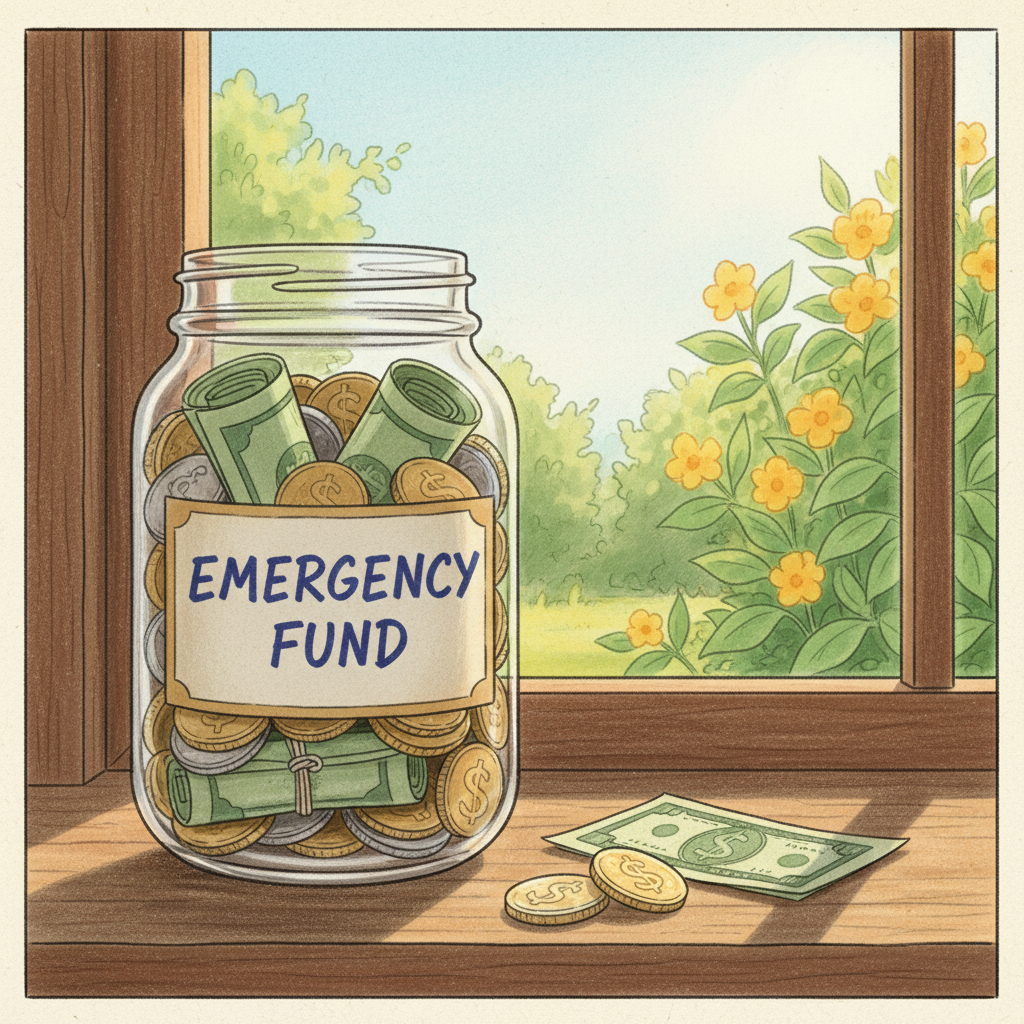
Every single dollar you make from your side hustle should be treated as “invisible money.” Do not use it to inflate your lifestyle. Shovel it directly into your emergency fund or use it to nuke your debt.
Step 6: Avoid the Debt Trap (And Crush What You Owe)
High-interest consumer debt is a financial emergency. If you are carrying a balance on a credit card with a 24% interest rate, saving money in a bank account paying 4% makes zero mathematical sense.
Debt keeps poor people poor. The interest payments drain your monthly cash flow, leaving you with nothing.
If you have debt, you need an aggressive strategy to wipe it out. The two most popular methods are:
- The Debt Snowball: List your debts from smallest balance to largest balance, ignoring interest rates. Pay minimums on everything but attack the smallest debt with a vengeance. Once it’s gone, roll that payment into the next smallest debt. This method gives you quick psychological wins.
- The Debt Avalanche: List your debts from highest interest rate to lowest interest rate. Attack the highest interest debt first. This method saves you the most money on math, but it takes longer to get that first “win.”
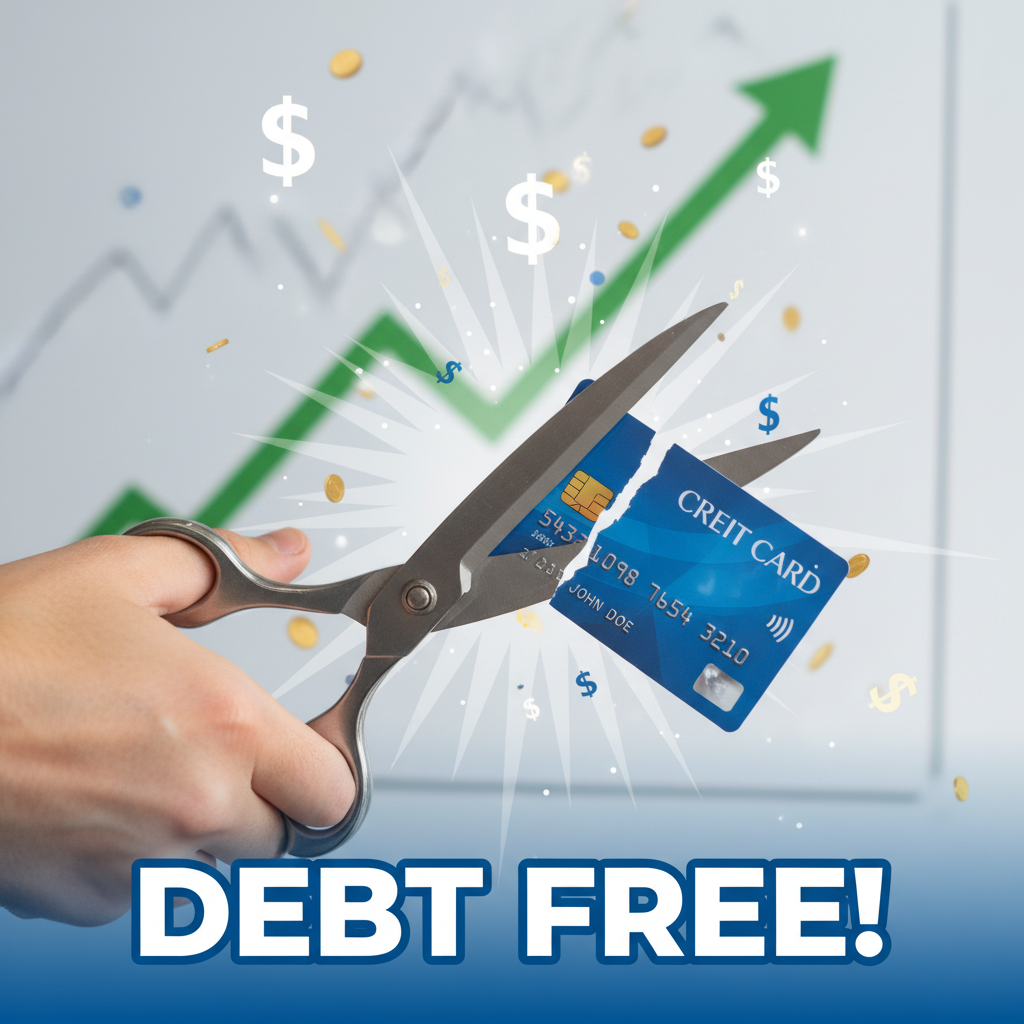
Whichever method you choose, stick to it. Cut up the credit cards if you have to. Stop borrowing money to buy things you can’t afford.
Step 7: Leverage Government Assistance and Community Resources
There is absolutely no shame in utilizing resources that are designed to help you when you’re down. If your income is truly below the poverty line, you are likely paying taxes into a system that has safety nets built for this exact scenario.
Take advantage of them:
- Food Banks & SNAP: If you are struggling to feed yourself or your family, visit local food pantries or apply for SNAP (Supplemental Nutrition Assistance Program). This frees up cash that you can redirect toward keeping a roof over your head.
- Utility Assistance: Programs like LIHEAP (Low Income Home Energy Assistance Program) can help cover heating and cooling costs.
- Healthcare Subsidies: Look into Medicaid or subsidized plans on the Healthcare Marketplace so you aren’t bankrupted by a routine medical visit.
- Tax Credits: Make sure you are claiming the Earned Income Tax Credit (EITC) when you file your taxes. This can result in a massive refund for low to moderate-income workers.
Never let pride get in the way of your financial survival. Use the stepping stones available to you so you can stabilize, save, and eventually stand entirely on your own two feet.
Frequently Asked Questions (FAQs) 🤔
How can I save money when I barely make enough to pay bills?
Start by tracking every single penny for 30 days. You’ll likely find small “leaks” in your budget—like daily energy drinks, unused subscriptions, or convenience food. Cut those out immediately. Next, negotiate your fixed bills (like car insurance and phone plans). Finally, if expenses are as low as they can go, you must focus on increasing your income through a side gig or a better-paying primary job.
What is the 30-day rule in saving money?
The 30-day rule is a brilliant psychological hack to stop impulse buying. If you see something you want to buy that isn’t a strict necessity (like a new pair of sneakers or a video game), force yourself to wait 30 days. Write the item down on a list. More often than not, the urge to buy it will completely fade after a month. If you still truly want it after 30 days and you have the cash, you can buy it guilt-free.
Where should I keep my savings?
Do not keep your savings in your checking account. It is way too easy to accidentally spend it. Open a High-Yield Savings Account (HYSA) at a separate online bank. Online banks typically offer much higher interest rates than traditional brick-and-mortar banks, and having your money at a different institution adds a layer of friction, making you less likely to dip into it for non-emergencies.
Is it better to save money or pay off debt first?
It depends on the type of debt. If you have high-interest toxic debt (like credit cards or payday loans charging 15% to 30%+), you should build a small “starter” emergency fund of $500 to $1,000 to prevent you from taking on new debt, and then throw every available dollar at the high-interest debt. Once the toxic debt is gone, you can focus on building a fully-funded 3-to-6-month emergency reserve.
How much of my paycheck should I save on a low income?
Personal finance gurus love to throw around the “save 20%” rule. While that’s an amazing goal, it’s not always realistic for someone making minimum wage. If you are on a very low income, start by aiming for just 1% or 5%. The exact dollar amount matters less than building the muscle memory of saving. Save $10 a week if that’s all you can manage. Consistency builds wealth over time.

The Final Word: Keep Grinding, You Got This
Learning how to save money fast on a low income isn’t about complex math or having a degree in finance. It is entirely about discipline, intentionality, and a willingness to do what others won’t.
It’s about swallowing your pride, packing a lunch when your coworkers are ordering expensive takeout, driving a beater car while your friends are financing luxury vehicles they can’t afford, and working a side hustle on a Saturday morning while everyone else is sleeping in.
The journey from living paycheck to paycheck to having a solid financial cushion is going to be bumpy. You will make mistakes. You might have an unexpected expense that wipes out a month of hard work. That is just life. The key is to never quit.
Control what you can control. Track your spending, slay your debt, optimize your income, and stay aggressively focused on your goals. Your future self is going to be incredibly grateful for the sacrifices you are making today. Now get out there, boss up your budget, and secure the bag! 💼✨