
The Ultimate Guide: How Millionaires Manage Money in 2026 (And How You Can Too) 💸

Want to know how millionaires manage money to build wealth? It’s not about yachts—it’s about smart habits. Learn how to secure the bag like the top 1% today.
Let’s keep it a buck. When most of us think about how millionaires manage money, our brains immediately jump to wild private jet trips, designer outfits that cost more than a Honda Civic, and blowing cash at high-end clubs. Thanks to TikTok and Instagram, we’re constantly force-fed this “flex culture” fantasy. But honestly? That’s not reality for the vast majority of wealthy people.
Real, self-made wealth is actually pretty boring. It’s built in the background while everyone else is asleep. According to a 2026 survey by Schwab, Americans believe it takes an average net worth of about $2.5 million to be considered truly wealthy. But here’s the wild part—people said they only need around $778,000 to feel financially secure, a drop from the $1 million peak back in 2023. This just proves that feeling good about your finances isn’t just about a massive bank account; it’s about knowing how to manage the cash you actually have.
If you want to level up and reach financial independence, you don’t need to hit the lottery. You just need to steal the playbook that wealthy folks use every single day. Whether you’re trying to figure out 10 money habits to build wealth in 2026 or just trying to stop living paycheck to paycheck, this guide is going to break it all down for you. No cap. ✨
The Mindset: How Millionaires Actually Think About Money 🧠
Before we even talk about dollars and cents, we have to talk about the psychology of wealth. Your mindset dictates your money.
Breaking the “Flex Culture” Illusion
Most people who flex hard on social media are lowkey broke. They are drowning in car loans and credit card debt just to keep up appearances. True millionaires don’t care about looking rich to strangers on the internet. They care about actually being rich. They prioritize assets (things that put money in their pocket) over liabilities (things that take money out of their pocket).
It’s About Process, Not Just the Goal
“Quiet millionaires” don’t wake up obsessing over reaching a million dollars. They obsess over the systems. Instead of saying “I want to be rich,” they set process goals like “I’m going to invest $500 a month” or “I’m going to increase my income by 10% this year”. It’s about building a machine that runs on autopilot.

9 Core Habits: How Millionaires Manage Money to Build Wealth
Ready to secure the bag? Let’s dive into the exact habits and strategies that self-made millionaires use to grow and protect their wealth.


1. They Treat Budgeting as Freedom, Not a Trap 📊
Most people hear the word “budget” and immediately think of a financial straightjacket. They think it means they can never buy an iced latte again. But self-made millionaires view budgeting completely differently. For them, a budget isn’t a restriction; it’s a tool for total freedom.
A 2024 report by CNBC literally found that 76% of millionaires use some form of budgeting. They track their income and expenses because they refuse to let their money just disappear into the void. A super popular method they use is called “zero-based budgeting.” Basically, you assign every single dollar a job before the month even starts. Whether that dollar is going toward rent, groceries, a weekend trip, or your investment portfolio, it has a purpose. This forces intentionality and stops you from mindlessly swiping your card on stuff you don’t even care about.
If you’re ready to get your money right, you should definitely check out the best budgeting apps in 2026 to put this whole process on easy mode.
2. They Automate Their Wealth-Building 🤖
Here’s a major secret: human beings are naturally terrible at saving money. If you wait until the end of the month to save whatever is left over, you’re probably going to save zero dollars. Millionaires know this, which is why they take willpower completely out of the equation.
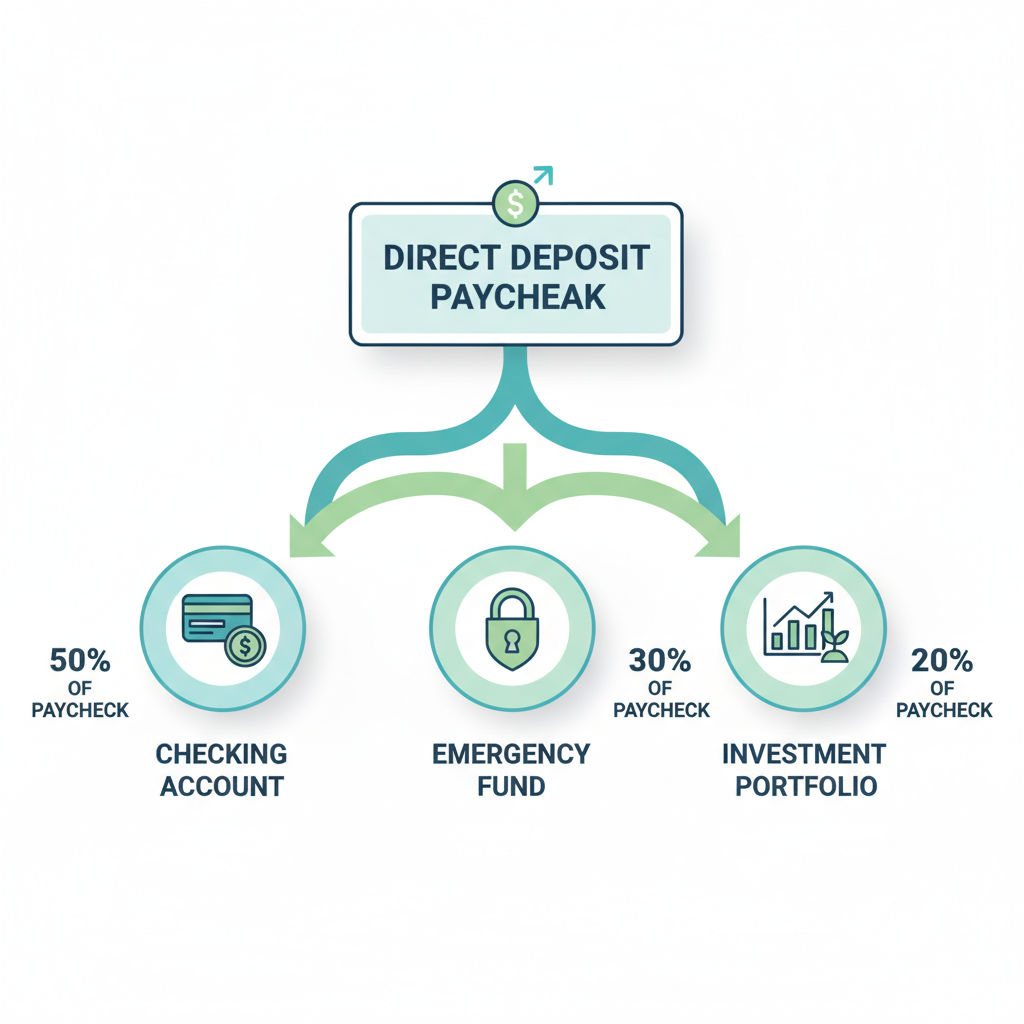
They follow the golden rule of personal finance: “Pay yourself first.” Instead of prioritizing expenses and saving the leftovers, they allocate a massive chunk of their income to savings and investments before they even think about discretionary spending.
How much are they saving? According to a 2023 survey by Fidelity Investments, over 80% of self-made millionaires stash away at least 20% of their income every single year. And they don’t do it manually. They set up direct debits and automatic transfers so that the second their paycheck hits, 20% is immediately funneled into investment accounts and emergency funds. By doing this, wealth building becomes as effortless and non-negotiable as paying the electric bill.
3. They Dodge High-Interest Debt Like the Plague 🚫
Let’s keep it 100—debt can be a tool, but it can also be a massive trap. Wealthy people understand the fundamental difference between good debt and bad debt. Good debt is borrowing money to buy an asset that will appreciate in value or make you more money, like a mortgage on a rental property or a strategic business loan.
Bad debt? That’s carrying a balance on a credit card with a 25% interest rate just because you wanted to flex a new designer watch or take a trip to Miami. Self-made millionaires avoid high-interest consumer debt like their lives depend on it. They pay off their credit cards in full every single month. They don’t pay interest on depreciating assets.
Think about it like this: the stock market historically returns about 10% per year on average. If you have credit card debt with a 25% APR, you are mathematically losing money every single day. Even if you are a genius investor making 15% returns, the credit card company is still draining you by 10% net. Millionaires understand this math. If you’re currently drowning in credit card payments, your number one priority needs to be wiping that out using methods like the Debt Avalanche or Debt Snowball.
4. They Rely on Multiple Income Streams 🌊
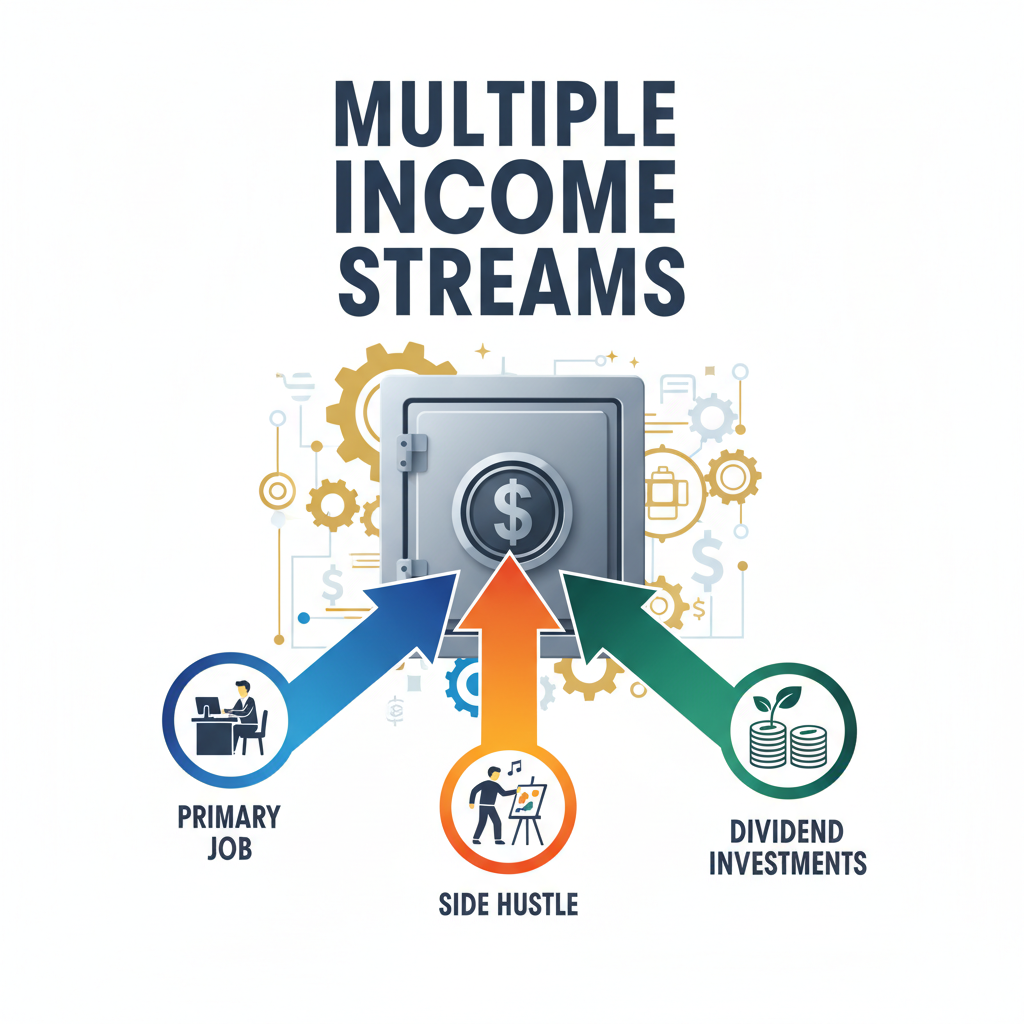
If you’re relying entirely on a single 9-to-5 paycheck, you’re always going to be one layoff away from a financial crisis. Relying on one source of income limits your wealth-building potential big time. Self-made millionaires almost always diversify where their money comes from.
This doesn’t mean you need to work five active jobs and never sleep. It’s about building scalable, passive streams of income over time. This could look like:
- Earned Income: Your main gig that pays the baseline bills.
- Profit Income: Money made from a side hustle or small business.
- Dividend Income: Cash paid out regularly by companies you own stock in. It’s literal mailbox money.
- Rental Income: Cash flow from real estate properties.
- Digital Income: Selling e-books, courses, or getting paid for content creation. Build it once, get paid forever.
Author and entrepreneur Grant Cardone famously pushes the “10X Rule,” which encourages people to think bigger and create multiple cash flows, because “money follows attention”. The ultimate goal here is to create streams of income that literally make you money while you sleep. If you want to start building your own streams without getting scammed, check out these 15 real passive income ideas that work in 2026.
5. They Understand the Magic of Compound Interest 📈
You don’t get rich by stuffing cash under a mattress. Inflation will eat your purchasing power alive. To build real wealth, you have to put your money to work in the market. Multi-millionaires proactively invest to take advantage of compounding interest, and they constantly reinvest those earnings to speed up their growth.
Let’s look at the math real quick. Say you start investing $500 a month into an index fund returning 8% annually when you’re 25. By the time you’re 65, you’ll have over $1.7 million. But if you wait until you’re 35 to start doing the exact same thing, you’ll only have about $745,000 by age 65. Waiting 10 years literally costs you a million dollars. That is the insane power of compound interest. It rewards patience and punishes procrastination.
They also start early and use the right accounts. A study by Ramsey Solutions showed that 80% of millionaires invest in their company’s 401(k) plan, and 75% also invest in brokerage accounts outside of work. High-net-worth individuals hold about 55% of their total wealth in tax-advantaged retirement accounts like IRAs and 401(k)s.
Notice what isn’t heavily mentioned? Picking single stocks or betting the farm on the latest meme coin. Not a single millionaire in the Ramsey study credited single-stock investing as the main reason they got rich. Instead, they rely on diversified, boring, consistent investing over decades. If you want to get started with this exact playbook, dive into the best investment strategies for beginners.
6. They Don’t Let Emotions Drive Their Wallets 🧘♂️
The stock market goes up, and the stock market goes down. That’s just a fact of life. But when the market takes a dive, average investors panic and hit the “sell” button. They lock in their losses because they’re terrified.
Millionaires? They stay chilling. They know how to keep their emotions out of their financial decisions. They understand that market volatility is normal. In fact, many wealthy investors view market crashes as a massive discount sale. When the market drops, they keep investing, knowing that the largest rebounds usually happen right after the biggest declines. Consistency and emotional intelligence are major keys to long-term wealth.

7. They Build a Bulletproof Emergency Fund 🛡️
You might think that if you’re rich, you don’t need a rainy day fund. Wrong. Even multi-millionaires keep a heavy stack of cash in a strong emergency fund.
Why? Because when a crisis hits—whether it’s a medical emergency, a major home repair, or a sudden economic downturn—they don’t want to be forced to sell off their investments at a loss or rack up high-interest credit card debt. Having liquid cash sitting in a high-yield savings account or a money market account ensures they are protected. It gives them peace of mind and the ultimate flexibility to jump on new investment opportunities when they arise.
8. They Are Extremely Tax-Savvy 🏛️
You don’t get or stay rich by giving away massive chunks of your money unnecessarily. While average earners just accept their tax bill, wealthy individuals actively plan around it. They take full advantage of tax breaks, maxing out their retirement contributions to lower their taxable income.
They also lean heavily into assets that get favorable tax treatment, like real estate and business ownership. Instead of just earning a standard W-2 salary, they generate income through capital gains and dividends, which are often taxed at significantly lower rates than regular earned income.
9. They Never Stop Learning (and Protecting Their Health) 📚💪
Your biggest wealth-building tool isn’t your stock portfolio—it’s you. Self-made millionaires are obsessed with lifelong learning. They are constantly reading books, listening to podcasts, and upgrading their skills so they can increase their earning potential in the marketplace.
On top of that, they take their physical health seriously. You can’t enjoy your wealth if you’re burnt out and sick. Eating right, hitting the gym, and getting enough sleep are literally financial strategies. Medical bills are one of the leading causes of bankruptcy in America, and wealthy folks know that an ounce of prevention is worth a pound of cure.
The “Three-Account System” for Couples 👩❤️👨
Money fights are one of the leading causes of breakups and divorce. So, how do wealthy couples manage their cash without constantly arguing? A lot of successful couples rely on the “Three-Account System”.
Here’s how it works: you have “yours, mine, and ours” accounts.
- The “Ours” Account: This is a joint account where both partners contribute a set percentage of their income. All shared expenses—like the mortgage, groceries, utilities, and date nights—come out of this pool.
- The “Yours” and “Mine” Accounts: These are individual, private accounts. Whatever money goes into your personal account is yours to spend guilt-free. If you want to drop bands on a new gaming setup or a spa weekend, you don’t have to ask for permission.
This system completely eliminates the micro-managing and arguments over small purchases, while still ensuring that the team’s major financial goals are handled.

Do You Need to Be Rich to Start Managing Money Like This? 🤔
Straight up: No. You don’t need to be pulling in six figures to start acting like a millionaire. Wealth is a mindset and a habit long before it becomes a massive dollar amount in your bank account.
Start small. Set up a basic budget. Automate $50 a month into an investment account. Pay off that one credit card that’s been lingering for a year. It’s all about momentum. And if you’re feeling totally overwhelmed by the process, there’s zero shame in asking for help. A lot of wealthy people rely on pros to help them optimize their taxes and investments. If you want to learn more about leveling up your financial team, check out how to use a financial planner in 2026.
FAQs on Millionaire Money Management 🙋♂️
How do most millionaires get rich?
Most self-made millionaires build wealth through consistent investing (especially in retirement accounts), living below their means, avoiding high-interest debt, and creating multiple streams of income over time. Very few get rich overnight or through single stock gambles.
What percentage of their income do millionaires save?
According to data from Fidelity, over 80% of self-made millionaires save and invest at least 20% of their income annually. Many aim even higher, especially as their income grows and their living expenses remain relatively stable.
Do millionaires actually use budgets?
Absolutely. Around 76% of millionaires use some form of budgeting to track their cash flow. They use methods like zero-based budgeting to ensure every dollar is intentionally assigned to a specific goal, rather than just winging it.
Where do millionaires keep their money?
While they keep emergency cash in high-yield savings accounts or money market accounts for fast liquidity, the vast majority of their wealth is tied up in appreciating assets like real estate, 401(k)s, IRAs, and index funds.
Wrapping it Up: Secure the Bag Like a Pro 🎒
Becoming a millionaire isn’t about hitting a lucky crypto trade or winning the lottery. It’s about doing the boring, consistent things right for a long period of time. It’s about living below your means, prioritizing your future self, and letting compound interest do the heavy lifting.
If you start adopting these millionaire money management habits today, you are going to put yourself on the fast track to financial independence. Secure the bag, stay focused, and watch your net worth explode. 🚀
Thank you for making our website part of your reading routine — your support is truly appreciated!